Many people don’t realize that Nikkei doesn’t mean just Japanese food—it’s actually a fusion of Japanese and Peruvian cuisines, both known for bold, vibrant flavours. That’s exactly what I was hoping for. The atmosphere was great, and the service was attentive and warm, so the overall experience started off really well. Technically, the dishes were nicely prepared, but flavour-wise, they fell flat. The food felt a bit restrained, lacking the punch and boldness you’d expect from this kind of fusion. The one standout dish for me was the gyozas with coconut foam—truly enjoyable and full of character. The rest? Okay, but forgettable. Nothing was wrong, just too safe. It’s clear the chef is putting in the effort and has talent, but you can also sense they’re holding back. I genuinely hope they find the confidence to push the boundaries with flavour, because the place has real potential. Once the taste catches up with the technique, this could be a real hit.
Overview
Walking into Ryokō - Nikkei Sushi Bar feels like stepping into a conversation between Tokyo and Lima, with Valencia quietly listening in. I first visited on a midweek evening after hearing a chef friend rave about the balance of flavors, and I ended up staying longer than planned, partly because the menu invites curiosity and partly because the room hums with the kind of energy that makes you want to order just one more dish. Located at Carrer de Ciscar, 49, bajo, Ensanche, 46005 Valencia, Spain, the restaurant sits comfortably in a neighborhood known for good food and high expectations.
Nikkei cuisine, for anyone unfamiliar, blends Japanese technique with Peruvian ingredients, a style that culinary historians often trace back over a century to Japanese immigration to Peru. Organizations like the Michelin Guide have highlighted Nikkei cooking as one of the most influential modern fusion movements, and places like this show why. The kitchen applies precise Japanese knife work to vibrant Latin flavors, creating plates that feel both clean and expressive. I watched the sushi chefs work methodically, slicing fish with near-meditative focus, then finishing each piece with touches like ají amarillo or citrusy leche de tigre.
The menu reads like a guided tour through that fusion. Classic nigiri sits alongside more adventurous rolls, ceviches, and tiraditos. One standout for me was the tuna tiradito, thinly sliced and dressed with a sharp, bright sauce that cut through the richness of the fish. It reminded me of a study published by the University of Tokyo on umami balance, which explains why combining acid, salt, and natural glutamates heightens flavor perception. You don’t need to know the science to enjoy it, but the results are undeniable on the plate.
Sustainability is another point worth mentioning. Like many modern sushi bars, the restaurant pays attention to sourcing, favoring seasonal fish and responsible suppliers. According to data from the FAO, overfishing remains a global concern, and diners are increasingly aware of where their seafood comes from. While no restaurant is perfect, the staff here were open about their sourcing when asked, which builds trust and shows a commitment to doing things thoughtfully.
What really elevates the experience is how the dishes are explained. Servers don’t just drop plates and disappear; they walk you through the process, from how the rice is seasoned to why a certain sauce is paired with a specific cut of fish. That kind of transparency matters, especially for guests new to Nikkei cuisine. During one visit, a server compared the rice preparation to a ritual, emphasizing temperature control and seasoning ratios, something echoed by renowned sushi expert Jiro Ono in interviews about craftsmanship and consistency.
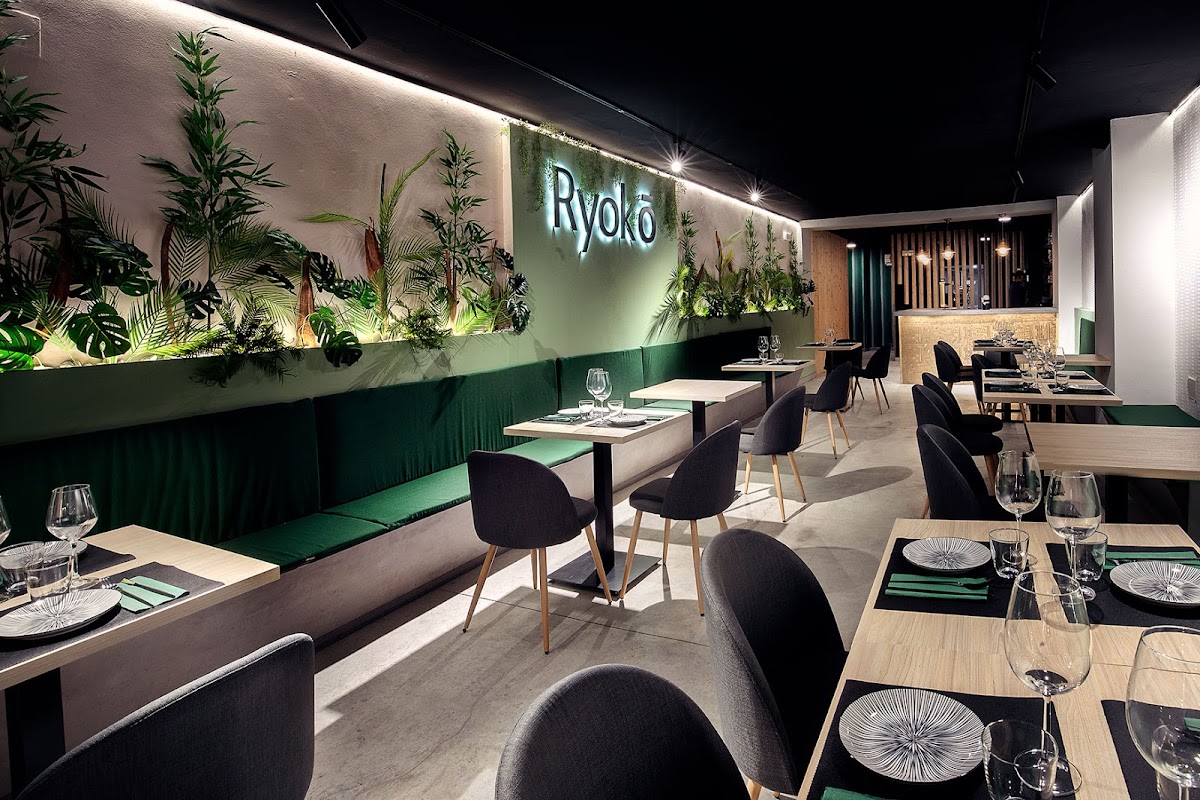
The dining room itself strikes a relaxed balance. It’s stylish without being stiff, making it suitable for a casual dinner or a low-key celebration. Reviews from locals often mention the welcoming atmosphere, and that matches my experience. Conversations flow easily, and even when the place fills up, it never feels rushed. Valencia has no shortage of sushi spots, but few manage to combine technique, creativity, and approachability this smoothly.
There are limitations worth noting. If you’re looking for massive portions or ultra-traditional Edo-style sushi, this may not be your place. The focus is on flavor layering and presentation rather than volume or strict tradition. Prices reflect the quality of ingredients and skill involved, which some diners may find higher than average, though consistent reviews suggest most feel the value matches the experience.
By the time dessert menus come around, often featuring playful twists like miso-infused sweets, it’s clear this isn’t just another restaurant chasing trends. It’s a space where cultures genuinely meet, guided by skill, respect for ingredients, and a clear point of view. Bold, confident, and quietly educational, it leaves a lasting impression that goes beyond a single meal.
Good to know
Service options
✓ Outdoor seating ✓ No-contact delivery ✓ Delivery ✓ Takeaway ✓ Dine-inHighlights
✓ Great coffee ✓ Great dessertPopular for
✓ Dinner ✓ Solo diningAccessibility
✓ Assistive hearing loop ✓ Wheelchair-accessible car park ✓ Wheelchair-accessible entrance ✓ Wheelchair-accessible seating ✓ Wheelchair-accessible toiletOfferings
✓ Alcohol ✓ Beer ✓ Cocktails ✓ Coffee ✓ Healthy options ✓ Organic dishes ✓ Salad bar ✓ Small plates ✓ Spirits ✓ Vegetarian options ✓ WineDining options
✓ Lunch ✓ Dinner ✓ Dessert ✓ Seating ✓ Table serviceAmenities
✓ Bar on site ✓ Toilet ✓ Wi-Fi ✓ Wi-FiAtmosphere
✓ Cosy ✓ Quiet ✓ TrendyCrowd
✓ Family friendly ✓ LGBTQ+ friendly ✓ Transgender safe spacePlanning
✓ Lunch reservations recommended ✓ Dinner reservations recommended ✓ Accepts reservationsPayments
✓ Credit cards ✓ Debit cards ✓ NFC mobile payments ✓ Credit cardsChildren
✓ Good for kids ✓ High chairsParking
✓ Paid parking lotPets
✓ Dogs allowed outsidePhotos
Location
Reviews
Beautiful restaurant with a lovely atmosphere. The food was delicious, everything was very well prepared, and the service was excellent. Special thanks to Adam for his kindness and great attention — he really made the experience even better. Definitely a place I would come back to and highly recommend.
The sushi bar was a welcome change from normal sushi restaurants. You can tell the Peruvian South American influence of the kitchen. Everything tasted really great and the presentation of the dishes is really playful and visually tasteful. The service is also excellent, very attentive. The prices are really fair. The interior is very good, only the light could be a bit warmer, it's relatively bright. At least you can take good food photos like this :P
If you want some high quality food and friendly waiters than this is the place to be. Every dish can be distinguished from another and any bite you take is an explosion of rich flavours, also the presentation of the dishes is something unique. I loved the design of the restaurant because it really gives off vibes of being japan. Highly recommended for everyone who loves diversity of rich flavours!
Great Experience interesting flavours/ combinations! Great host ! Thx Jean Pierre lovely service and attitude
Absolutely fantastic. Super friendly and knowledgeable service, lovely decor and unbelievably tasty food. Highlights are the Causa Roll, Croquettes and Ginger Salmon roll.
delicious, beautiful food. this restaurant is a treat for anyone who eats here. the chef is imaginative and you can tell each dish was carefully crafted for flavor and presentation. highly recommend the oysters, lamb, cauliflower, and one of each desserts.
The food here is a fusion between Peruvian and Japanese cuisine. Expect high quality dishes with fresh ingredients and beautifully presented. The portions are reasonable for the price given that the quality is high. The staff is friendly, helpful, and attentive. The interior has a modern design with comfortable seating options. The restaurant itself is small so make sure to call ahead to reserve a table. It makes a great choice for a dinner date.